SEOJune 8, 2026
Adapting SEO Strategies for the Rise of Smart Cities: Opportunities and Challenges
Explore how the growth of smart cities is reshaping SEO strategies, uncovering opportunities and challenges for businesses to enhance their digital presence in an increasingly interconnected urban landscape.
Understanding the Smart City Landscape
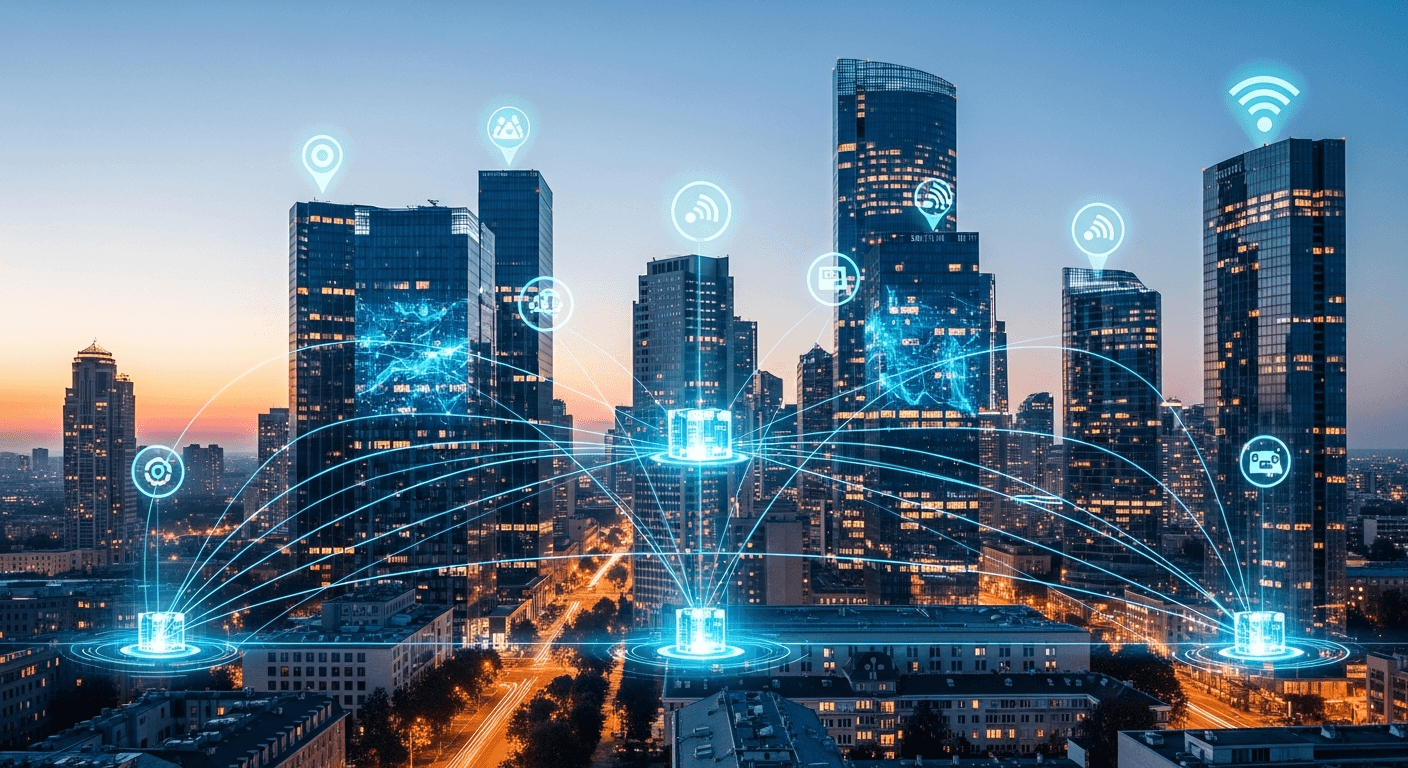
Smart cities represent a cutting-edge evolution in urban development, where technology is leveraged to create sustainable, efficient, and livable urban environments. These cities integrate advanced technologies like the Internet of Things (IoT), Artificial Intelligence (AI), and data analytics to enhance infrastructure, improve public services, and optimize resource usage. As urbanization accelerates globally, smart cities are increasingly seen as a viable solution to address challenges such as traffic congestion, pollution, and resource management.
At the heart of smart city development is the ability to interconnect various aspects of urban living through technology. This includes smart grids for efficient energy distribution, intelligent transportation systems for reduced commute times, and IoT-enabled sensors for real-time data collection. These technologies not only improve the quality of life for residents but also provide valuable data that can be used to drive further innovations.
For businesses and marketers, understanding the smart city landscape requires a deep dive into how these technologies impact consumer behavior and expectations. As cities become smarter, residents expect more personalized, efficient, and responsive services. This shift necessitates a rethinking of traditional marketing strategies, with a greater emphasis on digital engagement and data-driven decision-making.
The Role of SEO in Smart City Development
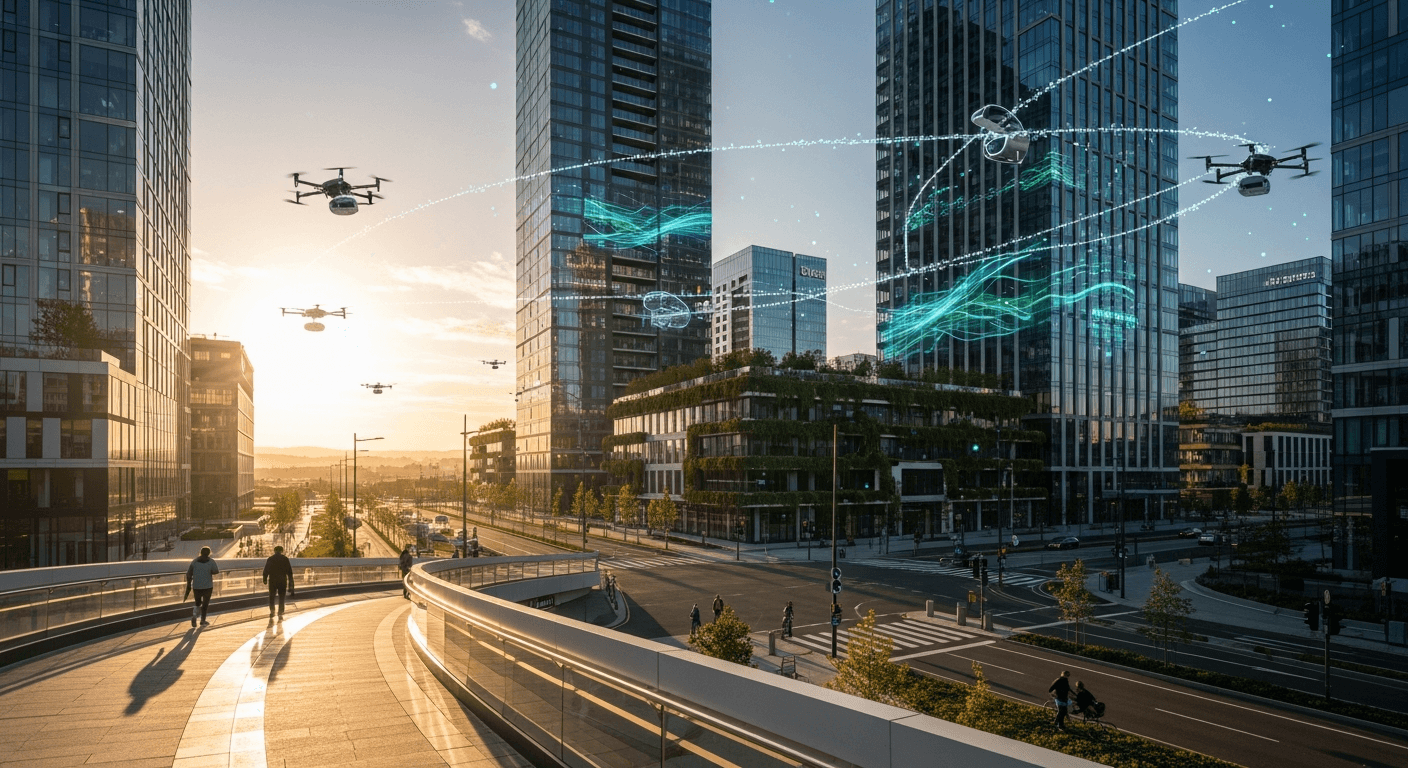
Search Engine Optimization (SEO) plays an integral role in the digital infrastructure of smart cities by ensuring businesses can effectively reach and engage their target audiences. As connectivity and digital engagement become central to urban living, businesses must optimize their online presence to remain visible and competitive. This involves a strategic focus on local SEO, mobile optimization, and content personalization.
One key aspect of SEO in smart cities is the adaptation to voice search. With the proliferation of smart speakers and voice-activated devices, consumers are increasingly using voice queries to find information and services. Businesses need to optimize their content to respond to natural language processing and long-tail keywords that mimic conversational speech. Additionally, ensuring that websites are mobile-friendly is crucial, as many smart city residents rely on mobile devices for their internet access.
Tip: Use schema markup to enhance local search results and improve your business’s visibility in smart city environments.
Furthermore, the integration of AI in SEO strategies can help businesses analyze search trends and consumer behavior more accurately, allowing for more targeted marketing campaigns. By leveraging AI tools, businesses can predict what users are searching for and tailor their content to meet these demands, thereby enhancing engagement and conversion rates.

Opportunities for Businesses in Smart Urban Areas
Smart cities offer a wealth of opportunities for businesses looking to innovate and expand. With the rise of digital connectivity and real-time data, companies can devise new ways to engage with their customers. For instance, data-driven insights can facilitate hyper-local marketing strategies, where businesses target customers with personalized offers based on their location and behavior patterns.
- Leveraging smart data for targeted marketing
- Implementing IoT solutions to enhance customer experiences
- Creating partnerships with local governments to offer smart city solutions
Beyond marketing, smart cities also allow businesses to develop new products and services tailored to the needs of urban residents. This includes smart home devices, app-based city services, and sustainable solutions that appeal to environmentally conscious consumers. By aligning their offerings with the technological advancements and sustainability goals of smart cities, businesses can position themselves as leaders in innovation and social responsibility.
Moreover, the collaborative nature of smart cities, which often involves partnerships between government bodies, tech companies, and local businesses, presents unique opportunities for synergistic growth. Businesses can collaborate with city planners to contribute to smart infrastructure projects or work with tech startups to co-develop innovative solutions that enhance urban living.
Challenges in Optimizing for Smart Cities
Optimizing for smart cities comes with its set of challenges. The rapid pace of technological change means that businesses must be agile and adaptable to keep up with new developments. This requires continuous learning and the ability to pivot strategies quickly in response to emerging trends. Additionally, the complexity of integrating various technologies into a cohesive marketing strategy can be daunting for businesses that lack technical expertise.
Data privacy and security are also significant concerns in smart cities. With the extensive use of data to improve city services and business operations, ensuring that consumer data is protected is paramount. Businesses must navigate the regulatory landscape, such as GDPR and other data protection laws, to maintain consumer trust and avoid legal repercussions.
Note: Invest in cybersecurity measures and transparent data policies to build trust with consumers in smart cities.
Additionally, the competitive nature of digital spaces in smart cities means that businesses must work harder to distinguish themselves. This involves not just optimizing for search engines but also creating compelling, value-driven content that resonates with tech-savvy urban dwellers who have access to a plethora of information and choices.
Future Trends: The Evolution of SEO in Smart Cities
Looking ahead, the evolution of SEO in smart cities will be heavily influenced by technological advancements and societal shifts. AI and machine learning will continue to play a pivotal role, enabling more precise targeting and content personalization. As these technologies evolve, businesses will need to invest in AI-driven SEO tools that can analyze vast datasets and predict consumer trends with greater accuracy.
Sustainability will also become a more prominent theme in SEO strategies. As smart cities strive to reduce their environmental impact, businesses that align their digital marketing efforts with green initiatives will likely gain favor with both consumers and regulatory bodies. This could involve optimizing content for eco-friendly keywords, promoting sustainable practices through digital platforms, and engaging in corporate social responsibility initiatives that resonate with environmentally conscious consumers.
The future of SEO in smart cities will be defined by the synergy between technology, sustainability, and consumer-centric innovation.
Finally, the integration of augmented reality (AR) and virtual reality (VR) into digital marketing strategies presents new opportunities for immersive consumer experiences. Businesses can use AR and VR to create interactive content that engages users in novel ways, such as virtual tours of smart city projects or AR-enhanced product demonstrations.