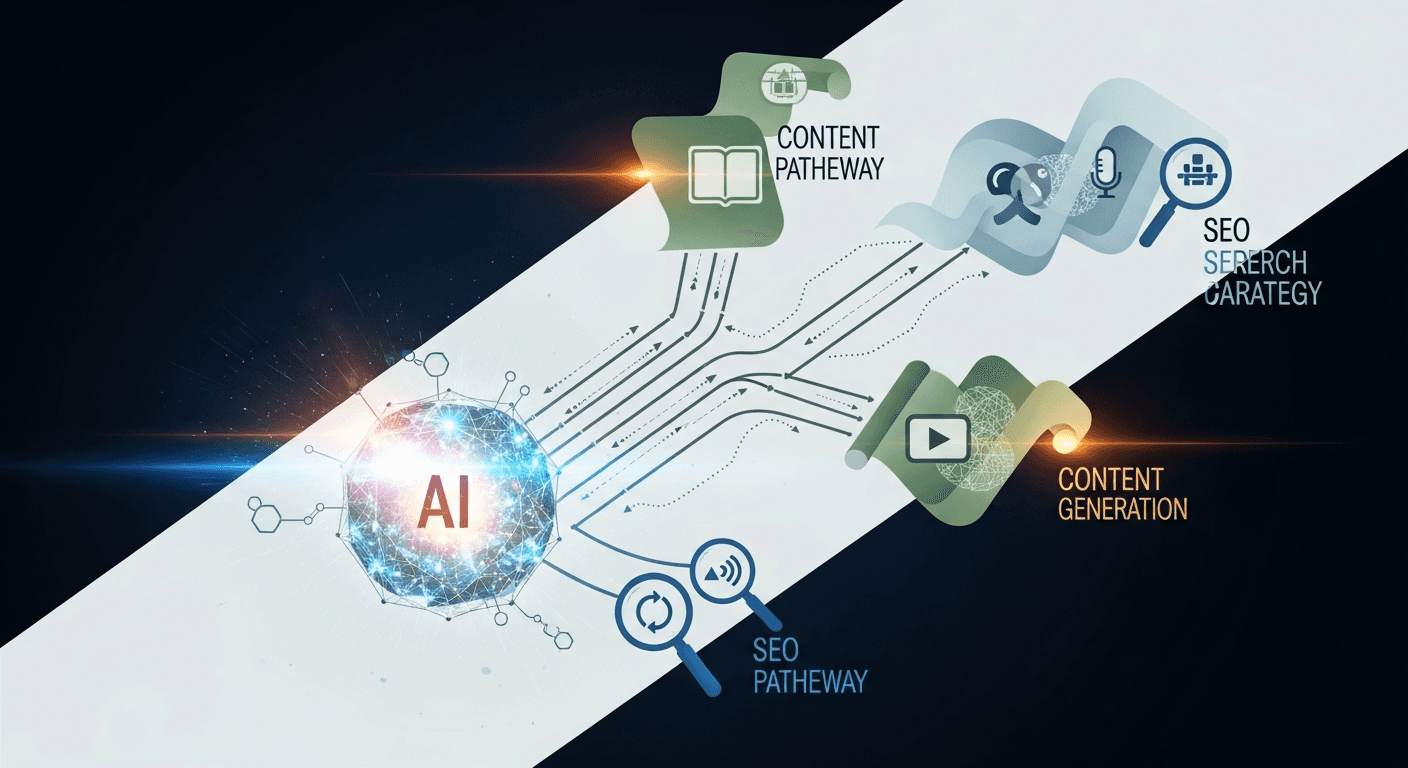
Exploring the Impact of AI-Generated Content on Modern SEO Strategies
Discover how AI-generated content is reshaping SEO dynamics, from keyword integration to content personalization, and learn strategies to leverage these advancements for better search engine visibility.
Understanding AI-Generated Content
AI-generated content refers to the creation of text, images, or other media using artificial intelligence technologies. This content is produced by algorithms that are trained on diverse datasets, allowing them to mimic human-like writing patterns and generate contextually relevant material. AI-generated content has become increasingly prevalent with advancements in natural language processing (NLP) and machine learning, enabling the automation of content creation at scale. Examples of popular AI content generators include tools like GPT-3, which can write articles, scripts, and even poetry.
The rise of AI-generated content has sparked a revolution in the digital marketing sphere, particularly in search engine optimization (SEO). Marketers and content creators are leveraging AI to produce high-quality content more efficiently, reducing time and resource investments. However, this also raises questions about content authenticity, quality, and the potential for AI to replace human writers entirely. For instance, while AI can draft a product description in seconds, the nuanced storytelling required for a brand’s narrative often necessitates human intervention.
While AI can generate content swiftly, it is essential to understand its limitations. AI lacks the nuanced understanding and creativity inherent in human writers. Therefore, AI-generated content often requires human oversight and editing to ensure it aligns with brand voice and resonates with target audiences. Additionally, AI may struggle with cultural context and sarcasm, leading to content that might not engage as intended. As AI technology continues to evolve, its role in content creation and SEO will likely become more significant, potentially offering more refined tools that can better predict user engagement.
The Role of AI in SEO Evolution
AI plays a pivotal role in the evolution of SEO by enhancing the way search engines index and rank content. Search engines are increasingly using AI to understand search intent and deliver more personalized search results. This shift has made it imperative for content creators to focus on producing content that is not only keyword-rich but also contextually relevant and valuable to users. For example, Google's RankBrain, an AI component, helps the search engine process search queries and improve search results by interpreting the intent behind the queries.
Machine learning algorithms help search engines analyze vast amounts of data, enabling them to identify patterns and trends in user behavior. This analysis helps in refining search algorithms, making them more efficient at delivering relevant search results. As a result, SEO strategies must adapt to these changes by prioritizing user experience, content quality, and engagement metrics. Tools like SEMrush and Ahrefs are incorporating AI to offer insights into competitive analysis and keyword strategy, allowing businesses to optimize their content more effectively.
Enhanced keyword research with AI tools, allowing for more precise targeting of user queries.
Content optimization through AI-driven insights, which can highlight areas for improvement even within existing content.
Automated content generation and distribution, helping businesses maintain a consistent content schedule across platforms.
Integrating AI Content with SEO Best Practices
Integrating AI-generated content with SEO best practices requires a strategic approach. While AI can assist in generating content, it is crucial to ensure that this content aligns with SEO fundamentals such as keyword integration, meta descriptions, and title tags. AI tools can aid in identifying trending topics and generating content outlines that adhere to SEO guidelines. For instance, AI can suggest long-tail keywords that are more likely to match user search intent, thus improving search engine rankings.
To maximize the effectiveness of AI-generated content, it should be supplemented with human creativity and expertise. This includes refining AI drafts to improve readability, ensuring factual accuracy, and infusing the content with a distinct voice that resonates with the audience. By combining AI efficiency with human insight, businesses can achieve optimal SEO outcomes. A practical tip is to use AI for initial content drafts and human editors to refine the content, ensuring it matches the brand's tone and style.
Remember to regularly update AI-generated content to maintain relevance and accuracy, as search algorithms frequently evolve. Regularly updated content can improve your site's ranking and keep it aligned with the latest SEO trends.
Challenges and Solutions for AI-Driven SEO
Adopting AI-driven SEO strategies comes with its set of challenges. One major concern is the potential for AI-generated content to be flagged as spam or low-quality by search engines. To overcome this, it is essential to maintain a balance between automation and quality control. Human oversight is necessary to ensure that AI content meets search engine guidelines and provides genuine value to users. An example of a solution is using AI to generate ideas and outlines while relying on human writers to add depth and verify information.
Another challenge is the ethical considerations surrounding AI-generated content. Issues such as data privacy, content ownership, and the potential for misinformation must be addressed. Businesses should implement robust policies and guidelines governing the use of AI in content creation to mitigate these risks. For instance, transparency about the use of AI in content production and consent from data subjects when using personal data for AI training are critical measures.
Implementing strict quality control measures, such as human reviews of AI-generated content to ensure it meets quality standards.
Ensuring ethical AI usage policies that address data privacy concerns and maintain transparency with audiences.
Regularly auditing AI-generated content to check for relevancy, accuracy, and adherence to brand guidelines.
Future Prospects of AI in Content and SEO
The future of AI in content creation and SEO is promising, with advancements in AI technology likely to enhance both fields significantly. As AI becomes more sophisticated, it will be capable of producing increasingly human-like content, potentially transforming the way businesses approach content marketing and SEO. AI's ability to adapt and improve with machine learning will enable it to predict changes in consumer behavior and adjust content strategies accordingly.
Innovations such as AI-driven content personalization, predictive analytics, and real-time SEO optimization will redefine digital marketing strategies. Businesses that embrace these technologies will be better positioned to meet the evolving demands of their audiences and maintain a competitive edge in the digital landscape. For example, AI can analyze user data to deliver personalized content experiences, increasing engagement and conversion rates.
AI is not just a tool; it is a partner in crafting a new era of content and SEO. Its integration into marketing strategies will continue to evolve, offering unprecedented opportunities for optimization and personalization.
Stay informed about AI advancements to leverage them effectively in your SEO strategy. Continuous learning and adaptation are key to maintaining competitive advantage as AI technology rapidly evolves.