SEOMarch 30, 2026
Elevating SEO with Interactive Content: Strategies for 2024
Discover how interactive content can revolutionize your SEO strategy in 2024. Learn the best practices to engage users and improve search rankings effectively.
Understanding Interactive Content and Its SEO Benefits
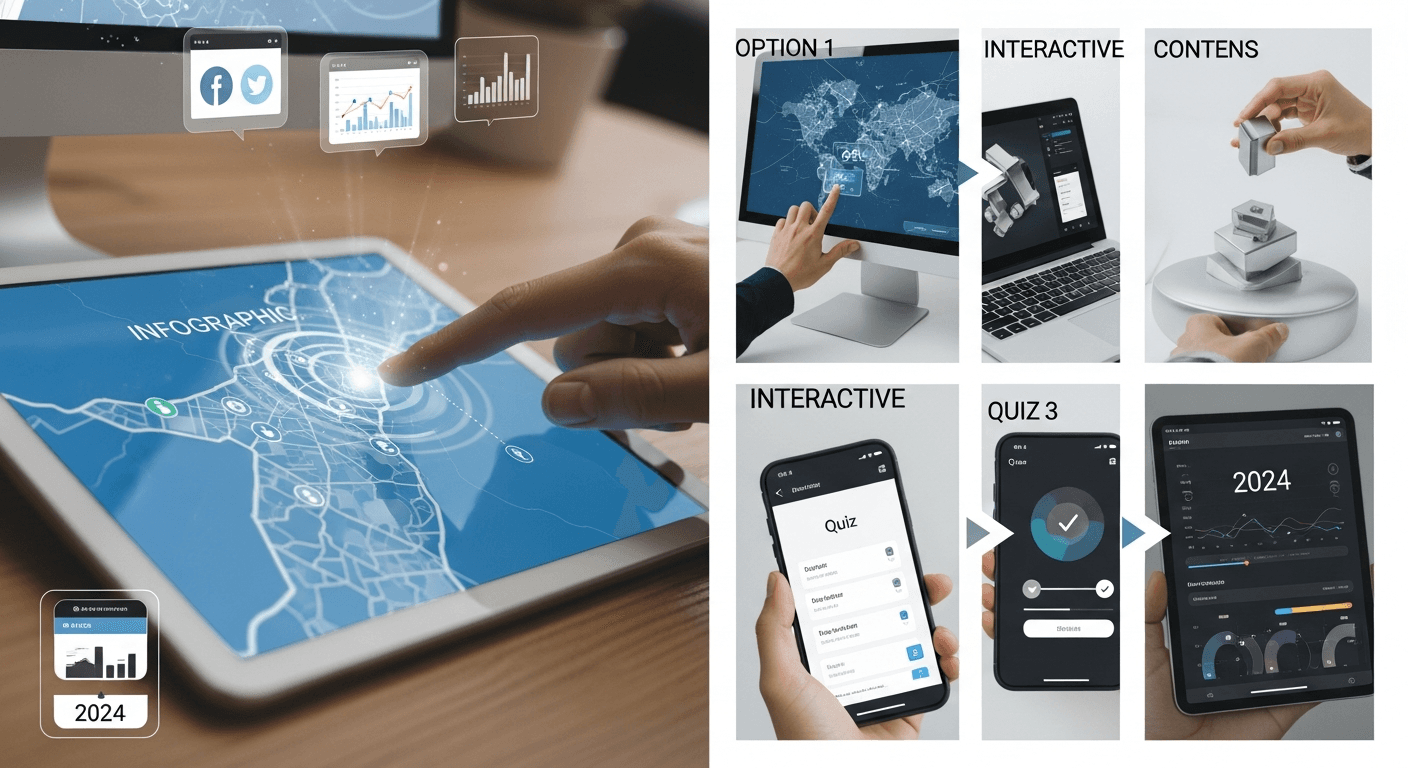
Interactive content refers to digital materials designed to engage users actively. Unlike static content, interactive content requires user participation, which can significantly enhance user experience and engagement metrics. Common types of interactive content include quizzes, polls, calculators, and interactive infographics. These formats encourage users to spend more time on a page, leading to lower bounce rates and higher dwell times, both of which are positive signals for search engine optimization (SEO).
SEO benefits of interactive content are multifaceted. Firstly, it boosts user engagement, which is a crucial factor for search engine rankings. Search engines, like Google, prioritize content that keeps users engaged. Secondly, interactive content is more likely to be shared and linked to than static content, increasing its reach and authority. Finally, it provides valuable data on user preferences and behaviors, allowing for more targeted SEO strategies.
- Engagement boost
- Increased shareability
- Enhanced user data collection
Interactive content also fosters a sense of personalization and connection with the audience. By offering tailored experiences, such as personalized quizzes or calculators that adapt to user input, businesses can enhance the perceived value of their content. This kind of engagement not only boosts SEO metrics but also builds brand loyalty and recognition, further extending the digital footprint.

Case Studies: Successful Use of Interactive Content in SEO
Several brands have successfully leveraged interactive content to enhance their SEO performance. For example, a notable e-commerce site used an interactive quiz to help users find the perfect product match. This not only increased user engagement but also improved conversion rates by providing a personalized shopping experience. Additionally, a tech company utilized interactive infographics to illustrate complex data, resulting in a significant uptick in backlinks from authoritative sites.
Another example is a fitness blog that implemented a dynamic calorie calculator. This tool not only attracted users seeking specific health information but also encouraged them to explore other related content on the site, reducing bounce rates and increasing average session duration. By integrating interactive elements, the blog effectively increased its visibility and reach across search engines.
Financial services firms have also embraced interactive content, with several using calculators to simplify complex financial calculations for their users. These tools not only enhance user experience but also position the firms as valuable resources, leading to increased trust and loyalty. This strategy has helped them achieve higher rankings in search results by encouraging longer page visits and more frequent sharing of their content.
Integrating interactive content can transform passive viewers into active participants, boosting both engagement and SEO metrics.

Creating Engaging Interactive Content: Best Practices
Creating interactive content requires a strategic approach to ensure it resonates with your audience and aligns with your SEO goals. Start by identifying the types of content that will best serve your audience's needs and preferences. Consider using quizzes, surveys, or interactive videos, as they are popular and versatile. Tailor content to address specific pain points or interests of your target audience, ensuring relevance and engagement.
Ensure the content is mobile-friendly, as a significant portion of users access the web via mobile devices. Keep the interface intuitive and the design visually appealing to encourage interaction. Additionally, incorporate clear calls-to-action to guide users through the content effectively. Test the interactive elements across different devices and browsers to ensure a seamless experience.
- Identify audience needs
- Ensure mobile compatibility
- Use clear calls-to-action
Incorporate storytelling elements into your interactive content to create an emotional connection with your audience. Use data-driven insights to inform the content development process and adjust strategies based on user feedback and performance metrics. Regular updates and fresh content can keep users coming back and further enhance SEO performance.
Measuring the Impact of Interactive Content on SEO Performance
To measure the effectiveness of interactive content on SEO, utilize analytics tools to track key performance indicators (KPIs). Important metrics include engagement rates, click-through rates, average time on page, and conversion rates. These metrics provide insights into how well the content is performing and its impact on your overall SEO strategy. Use tools like Google Analytics to gather detailed reports and understand user interaction patterns.
Additionally, monitor the number of backlinks generated and social shares obtained from interactive content. These are strong indicators of content authority and reach. Regularly analyzing these metrics will help refine your interactive content strategy and maximize SEO benefits. Use A/B testing to experiment with different formats and styles, optimizing based on what drives the most engagement and conversions.
Use analytics tools to track KPIs such as engagement and conversion rates to gauge the success of your interactive content.
Future Trends: The Role of Interactive Content in SEO Innovation
As we move into 2024, the role of interactive content in SEO is expected to grow. Innovations in technology, such as augmented reality (AR) and virtual reality (VR), are likely to offer new opportunities for creating immersive interactive experiences. These technologies can engage users in novel ways, providing a competitive edge in SEO. As these technologies become more accessible, they will enable brands to create unique experiences that captivate audiences and foster deeper connections.
Furthermore, personalization will become increasingly important. Interactive content that adapts to user preferences and behaviors can significantly enhance the user experience, leading to higher engagement and better SEO outcomes. Machine learning algorithms can be leveraged to analyze user data and deliver tailored content experiences, making personalization more scalable and effective.
Interactive content is not just a trend; it's a fundamental shift in how we engage with digital media.
As the digital landscape evolves, staying ahead of these trends will be crucial for businesses looking to maintain a strong online presence. By investing in interactive content and leveraging emerging technologies, brands can not only improve their SEO performance but also create lasting relationships with their audiences.