SEOJune 11, 2026
Unlocking the Potential of Zero-Click Searches for SEO in 2024
Explore how zero-click searches are reshaping SEO strategies for 2024, focusing on optimizing content to capture attention and drive engagement.
Understanding Zero-Click Searches: An Overview
In the dynamic world of search engine optimization (SEO), zero-click searches have emerged as a pivotal trend. As the name suggests, these searches provide answers directly on the search engine results page (SERP), eliminating the need for users to click through to a website. This phenomenon has been fueled by Google's continuous efforts to enhance user experience by delivering immediate answers through featured snippets, knowledge panels, and other SERP features.
The rise of zero-click searches can be attributed to the increasing use of mobile devices and voice search. As search engines evolve, they aim to provide the most relevant information in the quickest way possible. For businesses and SEO professionals, this shift signifies a change in the traditional metrics of success, moving beyond just clicks to engagement and visibility within the SERP itself.
Understanding the mechanics of zero-click searches is crucial for digital marketers. These searches are typically associated with informational queries where users seek quick answers, such as 'What is the weather today?' or 'How tall is Mount Everest?'. To leverage this trend, companies need to focus on structuring and presenting their content in a way that search engines recognize as authoritative and relevant.

Impact of Zero-Click Searches on SEO Ranking
Zero-click searches are reshaping the landscape of SEO ranking. Traditionally, SEO success was measured by click-through rates (CTR) and the number of visits to a website. However, with an increasing number of searches ending without a click, these metrics are being challenged. Instead, visibility on the SERP, particularly in featured snippets, is becoming a critical factor in SEO strategy.
For businesses, this means that the focus should not only be on ranking high organically but also on claiming the coveted zero-click positions. While these positions do not directly translate to website traffic, they significantly enhance brand visibility and authority. Moreover, being featured in a zero-click position can lead to increased brand recognition, indirectly influencing user behavior and driving traffic from other sources.
The impact of zero-click searches is also evident in the way search engines prioritize content. Google's algorithms are increasingly favoring content that is concise, authoritative, and structured in a way that answers user queries directly. This shift necessitates a reevaluation of content strategies to ensure that they align with the evolving search engine priorities.
Strategies to Optimize Content for Zero-Click Searches
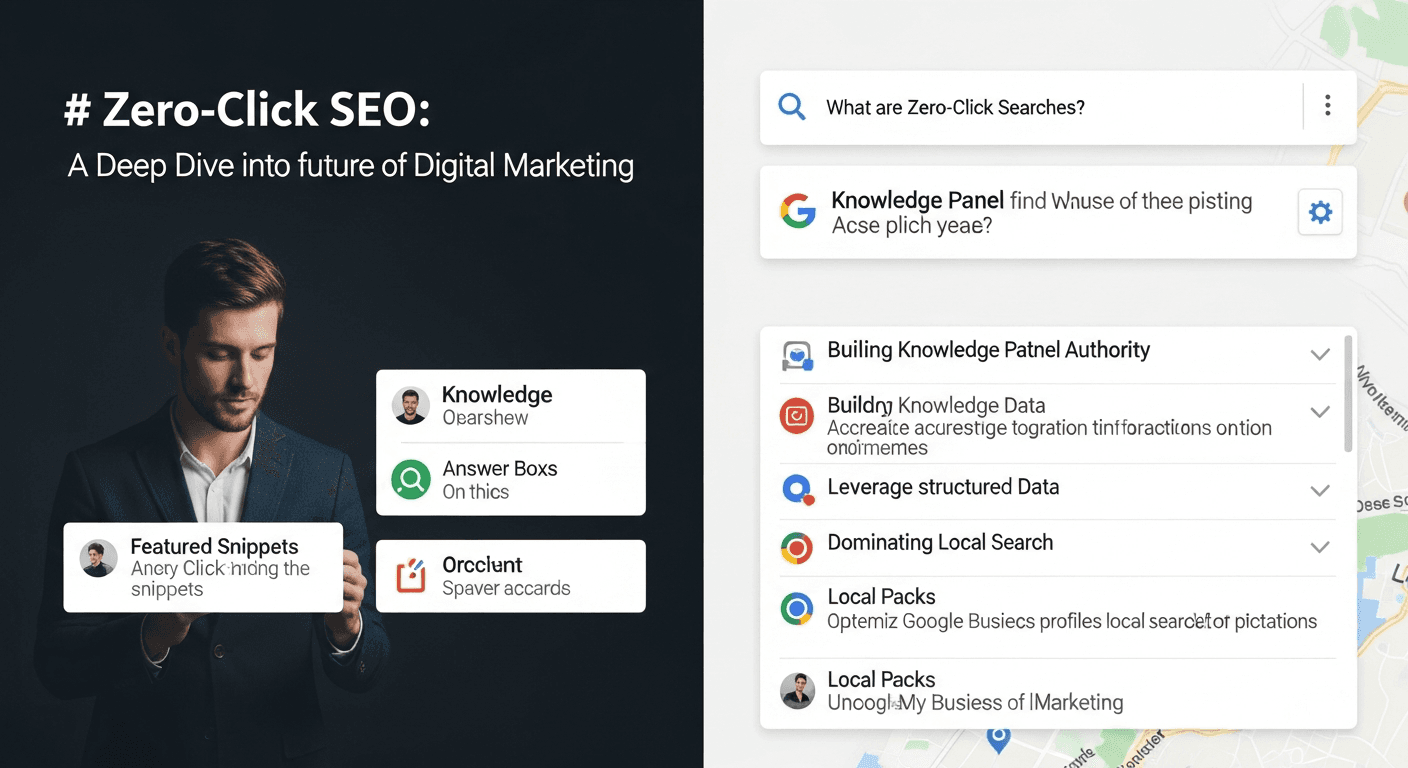
Optimizing for zero-click searches requires a strategic approach to content creation and presentation. One of the most effective ways to capture zero-click positions is by crafting content that targets specific user queries. This involves researching commonly searched questions related to your industry and ensuring that your content provides clear, concise answers to these queries.
- Utilize structured data to help search engines understand your content better.
- Focus on creating high-quality, authoritative content that answers specific questions.
- Optimize for voice search by using natural language and long-tail keywords.
Additionally, implementing schema markup can significantly enhance your chances of being featured in a zero-click position. Schema markup helps search engines understand the context of your content, making it more likely to be displayed as a featured snippet or answer box. Furthermore, optimizing your content for voice search by using natural language and answering questions succinctly can improve your chances of ranking in zero-click searches.
Important tip: Consistently update your content to reflect the latest information and trends in your industry. Search engines favor fresh, relevant content.
Case Studies: Successful Zero-Click SEO Implementations
Several companies have successfully adapted their SEO strategies to thrive in a zero-click search environment. For instance, a leading financial services firm revamped its FAQ section, optimizing it with targeted keywords and structured data. This strategic move resulted in a 30% increase in visibility within featured snippets, significantly boosting their online presence.
Another example is a popular travel website that focused on enhancing its local SEO. By optimizing content for common travel-related queries and utilizing schema markup for local businesses, the site secured multiple zero-click positions, leading to increased brand recognition and higher engagement rates.
Adapting to zero-click searches is not just about changing tactics; it's about evolving with the digital landscape.
These case studies highlight the importance of adaptability and innovation in SEO strategies. By focusing on user intent and leveraging the power of structured data, businesses can effectively capture zero-click opportunities and enhance their digital footprint.
Future Trends: Preparing for a Zero-Click Search World
As we look to the future, zero-click searches are expected to play an even more significant role in the search ecosystem. With advancements in artificial intelligence and machine learning, search engines will continue to refine their ability to deliver precise answers directly on the SERP. This evolution will demand that businesses stay ahead of the curve by continuously refining their SEO strategies.
- Embrace AI-driven tools to analyze and predict search trends.
- Invest in content personalization to meet user expectations.
- Stay informed about changes in search engine algorithms.
To thrive in a zero-click world, businesses must embrace AI-driven tools that can analyze and predict search trends. Personalization will also become a key factor, as users increasingly expect content tailored to their needs and preferences. Staying informed about changes in search engine algorithms and adapting strategies accordingly will be crucial for maintaining a competitive edge.
Note: As zero-click searches become more prevalent, businesses should focus on building a holistic digital presence that encompasses both search visibility and user engagement.